Which Dog Breed Is Right for Me?
The right dog breed is the one whose daily needs fit your real home, schedule, budget, and support system.
Use this practical guide to narrow your options before you meet dogs, talk with a rescue or breeder, and take our free dog breed quiz.
Start With Your Non-Negotiables
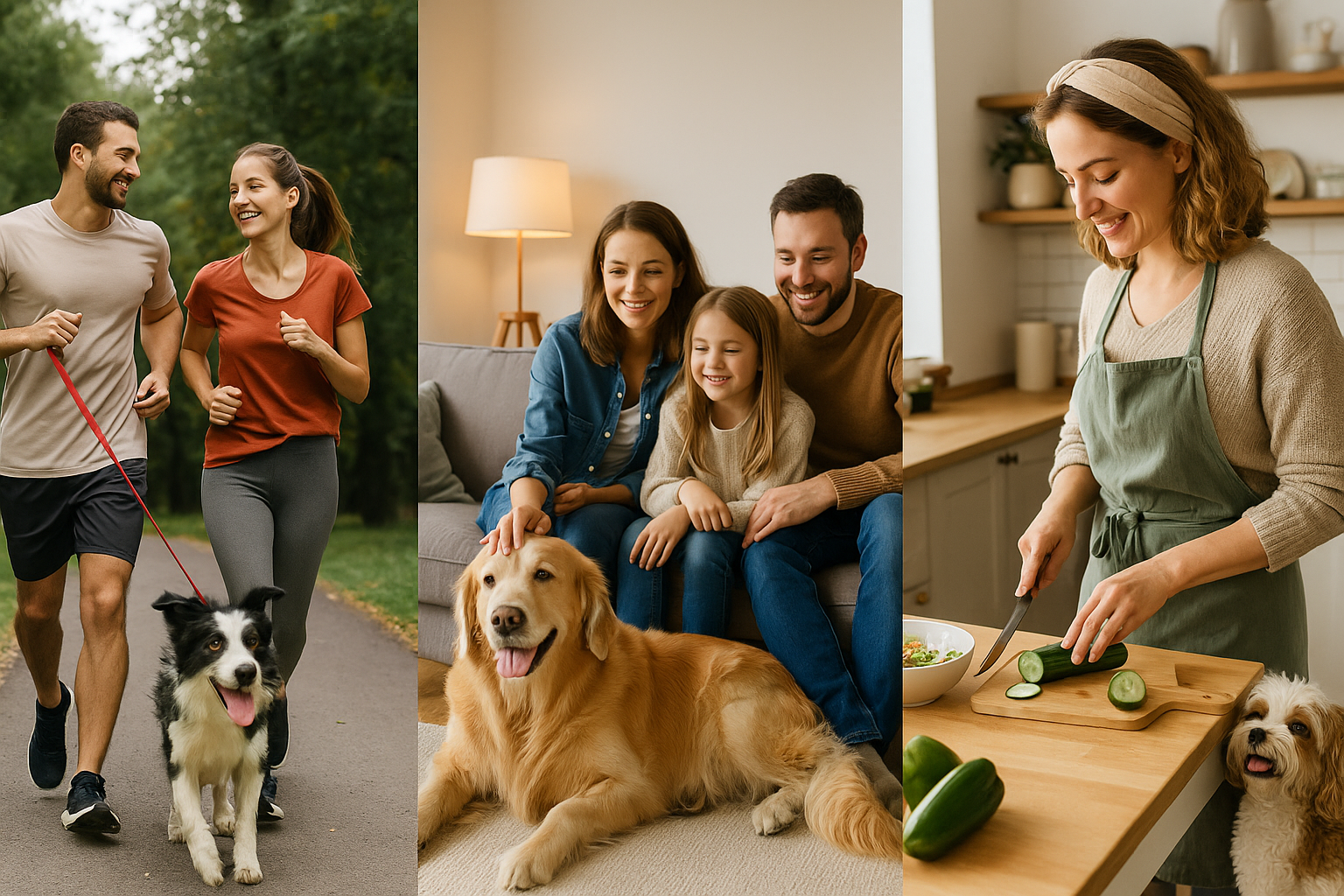
Before looking at a breed list, write down the limits you cannot change: how long the dog may be alone, your housing rules, realistic exercise time, grooming budget, and who will provide care when life gets busy.
Breed descriptions are useful starting points, not promises. Age, early socialization, health, training, and the individual dog's history can matter as much as breed.
A 5-Step Dog Breed Chooser
- Set your daily time budget. Include walks, training, play, grooming, and backup care.
- Confirm your home rules. Check size, breed, pet-number, noise, and outdoor-space rules before falling in love with a candidate.
- Choose an activity range you can sustain. Match a dog's everyday needs to weekdays, not only your ideal weekend.
- Price the coat and care plan. Consider food, preventive care, insurance or emergency savings, grooming, and training support.
- Meet the individual dog. Ask about temperament, handling, health history, children, other animals, and time alone before making a commitment.
Match a Dog Breed to Your Lifestyle
Apartment or small-home living: size alone does not determine apartment fit. Prioritize a dog whose exercise, noise, and training needs you can meet every day, then confirm your building's breed, size, and pet-number rules.
First-time dog owners: look for a realistic support plan, not a "perfect beginner breed." An adult dog with a known temperament can be easier to assess than a puppy, and a good shelter, rescue, trainer, or breeder can help you compare individual matches.
Families with children or other pets: choose supervision, gradual introductions, and a dog whose history and handling needs fit the household. No breed label can replace teaching children respectful interactions or managing first meetings carefully.
Active households: choose a high-energy dog only when your schedule includes daily exercise, training, and enrichment—not just occasional weekend adventures.
Time away from home: plan for walks, companionship, and backup care. Individual dogs vary widely, so never assume a breed will be comfortable alone simply because it is described as independent.
Compare Coat, Grooming, and Allergy Needs
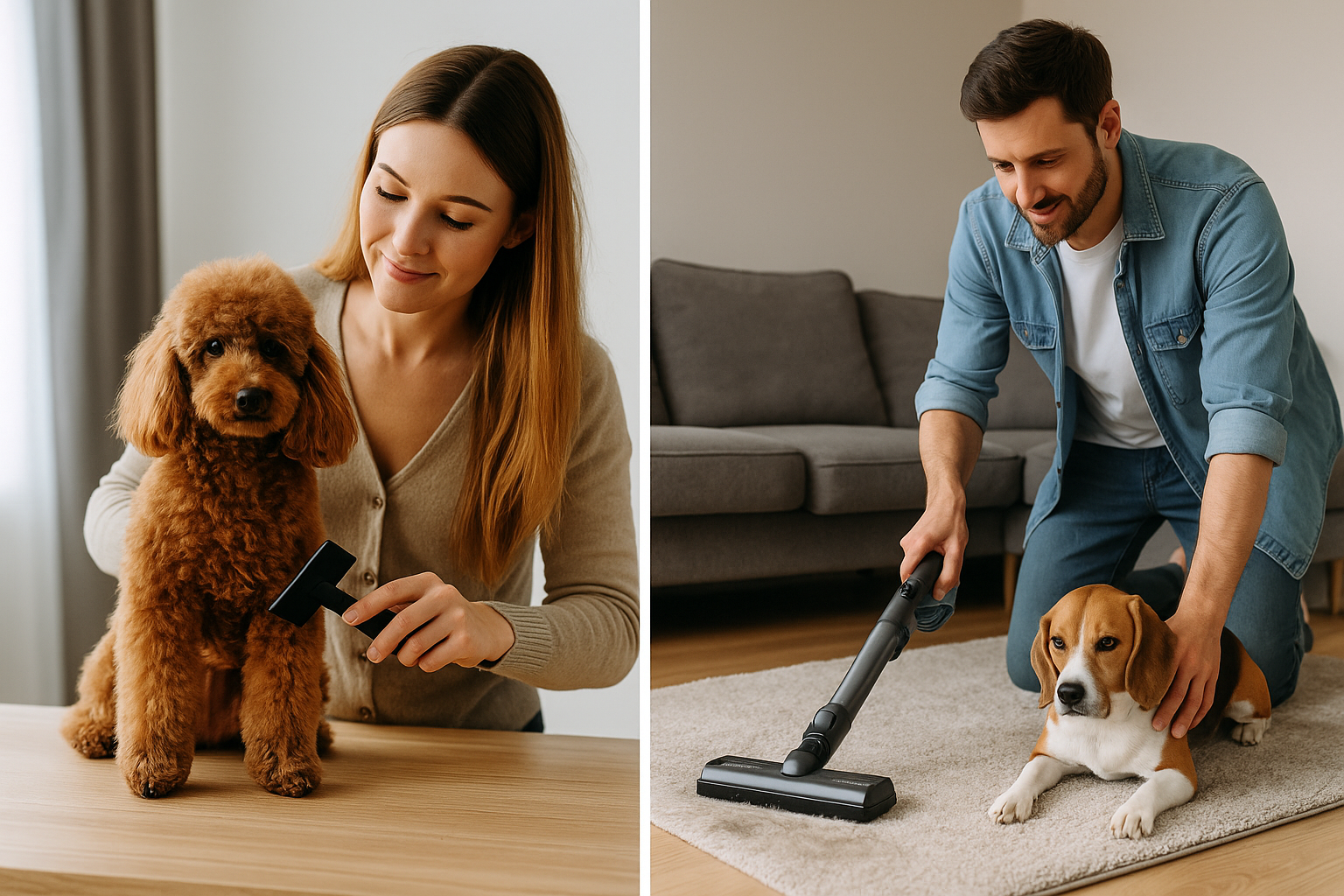
Shedding versus grooming: a lower-shedding coat can still need frequent brushing and professional trims. A short coat may be simpler to maintain but can still shed. Compare the time and ongoing cost, not only the amount of hair on the floor.
Allergies: no dog is completely hypoallergenic. If someone in your household has allergies, spend meaningful time with the individual dog and discuss the plan with a qualified health professional before making a commitment.
Climate: coat type, exercise timing, cooling, and shade all matter. Ask a local rescue, veterinarian, or responsible breeder how a specific dog is likely to cope in your climate.
Plan for Exercise, Training, and Noise
Every dog needs daily movement, training, rest, and companionship. Working and sporting breeds may need substantial physical and mental outlets; even relaxed adult dogs benefit from a predictable routine.
For rainy-day or indoor options, start with these indoor dog enrichment games. Matching enrichment to the dog in front of you is more helpful than trying to exhaust a dog with exercise alone.
If shared walls are a concern, ask about the individual dog's vocal behavior and plan for training from day one. "Quiet breed" labels are not a guarantee.
Quick Dog Breed Matches to Explore
These are starting points for research, not a prescription. Meet individual dogs and verify health, temperament, rescue history, and care requirements before deciding.
| Your priority | Breeds to research | Verify before choosing |
|---|---|---|
| First dog with a flexible routine | Havanese, Cavalier King Charles Spaniel, Miniature Schnauzer | Grooming needs, adult size, training support, and the individual dog's temperament |
| Apartment living with daily walks | Whippet, Bichon Frise, adult Greyhound | Building rules, noise, exercise plan, and comfort being left alone |
| Family seeking an active companion | Labrador Retriever, Golden Retriever, Standard Poodle | Supervision, training time, size, grooming, and adolescent energy |
| Low-shedding coat preference | Miniature Poodle, Portuguese Water Dog, Soft Coated Wheaten Terrier | Professional grooming cost and whether household allergies improve around that dog |
| Outdoor training and enrichment hobby | Vizsla, English Springer Spaniel, Brittany | Daily time commitment, recall training, and a plan for rest days |
| Experienced, highly active household | Australian Shepherd, German Shorthaired Pointer, Border Collie | Daily training and enrichment capacity, safe outlets, and the dog's individual intensity |
Choose the Individual Dog, Not Just the Breed
A breed can help you ask better questions, but an individual dog is the lifelong match. Mixed-breed and shelter dogs can be excellent companions when their needs and history fit your household.
Next, take the free dog breed quiz, meet candidates more than once when possible, and ask the rescue, shelter, or breeder about energy, handling, medical history, and behavior around children and other animals.
After you have chosen a dog, our guide to training by dog personality can help you build a routine around the dog you actually bring home.
Already share your home with a dog? Take the free Dogality personality test to explore the behavior and enrichment preferences of the dog you know.
References: AKC: Dog Breed Profiles • ASPCA: Choosing the Right Dog
Frequently Asked Questions
The best first dog depends on your schedule, budget, grooming tolerance, and support system. Compare adaptable breeds and adult rescue dogs with known temperaments, then ask a reputable rescue, shelter, or breeder about the individual dog.
No dog is 100% hypoallergenic. Some people tolerate lower-shedding coats better, but reactions vary, so spend time with the individual dog before committing.
Apartment fit depends more on exercise, training, noise, and building rules than size alone. A calm adult dog whose routine fits your schedule can be a strong match.