Dog Adoption Checklist: Shelter Questions and Home Preparation
Before adopting, confirm your household can meet the dog's daily needs, ask about health and behavior, collect the available records, and prepare a quiet place to come home to. Use this checklist with the shelter or rescue team. Mark information as known, unknown or needing follow-up rather than assuming a photo or a short meeting tells you everything.
Whether Krypto inspired your interest or you have been planning for years, the useful next step is the same: build a care plan for the individual dog you are considering.
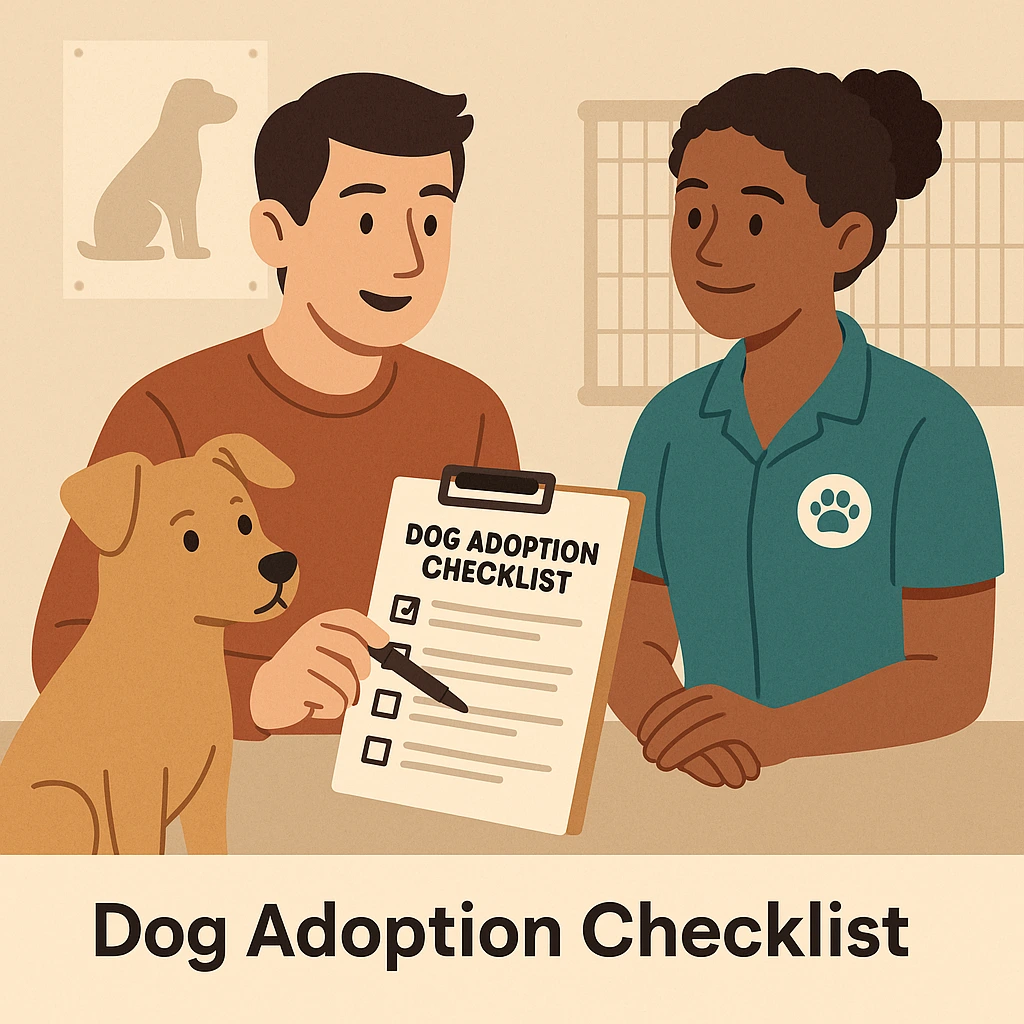
Check Your Household's Everyday Capacity
- Schedule: who handles meals, toilet breaks, walks and training? Write down the actual time the dog would be alone and the help available during work or travel.
- Home: confirm permission to keep a dog, any housing restrictions, secure exits and a place where the dog can rest away from activity.
- People and pets: discuss needs with everyone in the household. Tell the shelter about children, visitors, resident animals and any limits on safe supervision.
- Support: identify a veterinary clinic, a backup caregiver and access to humane training or behavior help if needed.
- Changes: consider how moving, illness or a change in work hours would affect the plan.
If a key requirement is unresolved, ask the organization about next steps before committing. For comparing broader care needs, see our guide to choosing a dog for your lifestyle. Appearance and breed labels are starting points for questions, not substitutes for individual information.
Budget Beyond the Adoption Fee
The ASPCA explains that adoption processes and fees vary by organization. Ask for the current fee and what it includes for this dog. A waived fee does not remove the cost of ongoing care.
Build your own budget using local quotes: initial supplies and transport; food, grooming and routine care; walking or boarding help; training support; and a plan for unexpected veterinary costs. Ask about known medications, follow-up procedures or special diets. A national average cannot tell you what this particular dog will cost to care for.
Ask for Examples and Record What Is Unknown
The ASPCA's behavior-assessment position emphasizes gathering information from multiple sources. Stress and environment influence behavior, and an assessment cannot reliably guarantee behavior after adoption. Ask whether an observation came from kennel care, a foster home, a previous caregiver or a supervised meeting.
| Topic | Questions to ask | What to note |
|---|---|---|
| Health | What conditions, treatments, medications or follow-up needs are known? | Records available, current instructions and unresolved concerns |
| Routine | What food, toilet schedule, activity and rest routine has the dog had? | Where the routine was observed and what help is needed |
| Time alone | Has the dog been left alone in a home? For how long, and what happened? | Actual observations; “not tested” is different from “comfortable alone” |
| Handling and fears | How does the dog respond to touch, equipment, noise or unfamiliar people? | Context, triggers and recommended management |
| Other animals and children | What interactions have been observed, and under what supervision? | Age or species involved, limitations and introduction plan |
| Safety history | Are there known bites, guarding incidents, escape attempts or chasing behavior? | What occurred, circumstances and professional support available |
| Post-adoption support | Who can we contact for medical or behavior concerns? What does the agreement require? | Contacts, follow-up options and the organization's return process |
Let staff guide meetings and any introductions. Do not provoke the dog, remove food to “test” guarding or force contact to see how they react. Ask for a second conversation or more information when a concern remains. A calm visit is useful information, not a lifetime safety guarantee.
Take-home worksheet: for each important need, record the evidence, what remains unknown, the care or management required, who will provide it and the next question to ask. A personality quiz can prompt reflection, but it cannot certify a match or predict safety.
Confirm the Process and Collect the Records
- Read the organization's requirements: confirm appointments, application steps, documents, housing permission and fees directly. Do not assume every shelter follows the same process.
- Discuss the individual dog: use the questions above and agree on any household or resident-pet meetings the team recommends.
- Review care information: request available veterinary, vaccination and treatment records, current medication instructions, food details and any pending procedures.
- Confirm identification: ask about microchip status and how to register or update contact information, plus any local licensing requirements to check.
- Read the agreement: clarify follow-up responsibilities, support contacts and what to do if the placement becomes difficult. Arrange safe transport home.
Contact your chosen vet to arrange an initial appointment based on the records, the dog's condition and any time limits in the agreement. The ASPCA recommends establishing veterinary care shortly after adoption. If the dog is ill, seek advice promptly rather than waiting for a routine visit.
Prepare a Simple Home Setup
Best Friends' new-dog guidance recommends checking escape routes, household hazards and the fit of identification and walking equipment before leaving the adoption site.
- A fitted collar or harness, leash, ID tag and a secure transport arrangement
- Food and water bowls, the dog's current food and written feeding instructions
- A washable bed in a quiet area; gates or a pen where appropriate
- Waste bags, cleaning supplies stored out of reach and a few suitable toys
- A folder with records, medicine instructions and shelter and veterinary contacts
Secure doors, windows and gates; move cords, medicines, cleaners and unsafe plants out of reach. If using a crate, discuss whether it suits this dog and introduce it positively rather than assuming they can immediately tolerate confinement. For bed selection, read our dog bed guide.
Plan Quiet First Days and Ask for Help Early
Start with predictable meals, toilet breaks and rest. Give the dog room to choose contact and avoid forcing meetings with people or other pets, as the ASPCA's adoption guidance recommends. Ask the shelter for a gradual introduction plan suited to your household.
Best Friends notes that adjustment time differs between dogs. Treat schedules such as “3-3-3” as a reminder to be patient, not a deadline for behavior to resolve. Record concerns and contact the shelter, vet or a qualified humane trainer when you need help. For distress when alone, see our separation anxiety guide.
What the Krypto Story Adds
In its July 23, 2025 account of the Superman campaign, Best Friends reported that Warner Bros. Discovery covered adoption fees at its locations and selected partners from July 1–10, helping more than 450 pets find homes. That is a historical campaign result, not a current fee-waiver offer or a count of dogs alone.
Movie inspiration can begin the search. The checklist above helps turn that interest into questions about daily care and the individual dog.
Resources for Your Search
Start with your local shelter or rescue's current adoption information. You can also use Best Friends' adoption resources and the ASPCA's adoption preparation guide. Confirm availability, requirements and support directly with the organization caring for the dog.
Dog Adoption FAQ
What documents do I need?
Ask the organization for its current list. ID, address information, housing permission or other documents may be requested; there is no universal application checklist.
Does a waived adoption fee mean care is free?
No. Confirm what care is included and budget for supplies, food, ongoing veterinary care and support after adoption.
Can one meeting tell me whether a dog is safe with children?
No meeting guarantees future behavior. Discuss observed history, supervision and household suitability with the shelter; do not use children to test a dog's tolerance.
What if I cannot meet the dog's needs yet?
Pause the decision and discuss unresolved needs with the organization. Ask about other dogs or ways to help that fit your capacity, rather than relying on enthusiasm to fill a care gap.
Editorial note: Updated with AI assistance using the linked sources. General adoption preparation; not reviewed by a veterinarian or behavior professional. No shelter visits or individual dog assessments were conducted for this article.