Can Dogs Eat This? Safe Foods and Foods to Avoid
Dogs can often have small portions of plain blueberries, carrots, apples, or cooked lean meat. Grapes, raisins, chocolate, xylitol, and several other ingredients should never be offered. The ingredient, preparation, portion, and your dog's diet all matter when deciding whether to share a bite.
Already suspect a toxic-food exposure? Contact your veterinarian or an animal poison-control service now, even if your dog looks well. The ASPCA's poisoning guidance warns that effects can be delayed. Jump to the exposure checklist for what to have ready.
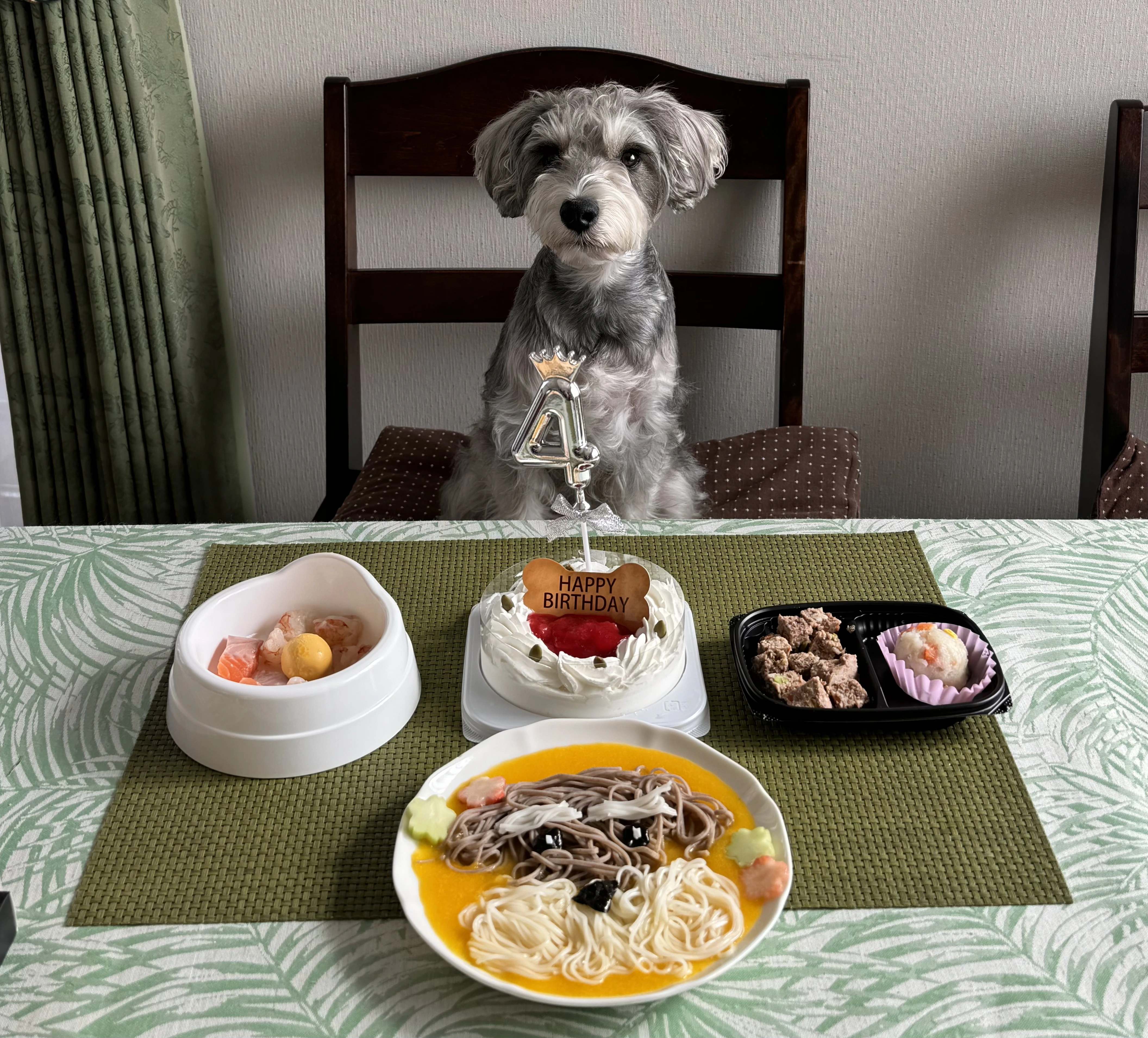
Human Foods Dogs Can Eat in Small Portions
The ASPCA's snack guide lists these options. Serve them plain and in pieces your dog can manage:
- Blueberries and bananas: offer a small amount as an occasional extra.
- Apples: remove the core, seeds, and stem; cut the flesh into small pieces.
- Carrots, green beans, and broccoli: raw or cooked without seasoning, cut into bite-size pieces.
- Pumpkin: use plain cooked pumpkin, rather than sweetened or spiced pie filling.
- Chicken, turkey, or beef: use a small portion of lean, cooked meat without bones or seasoning.
These are snack options, not a recipe for a complete diet. A food on this list may still be unsuitable for an individual dog. Introduce one new extra at a time so you can track what was offered and any reaction.
Toxic Foods and Ingredients to Keep Away
Grapes and Raisins
Never offer grapes, raisins, sultanas, or Zante currants, including in baked goods or trail mix. Cornell's veterinary guide explains that they can cause acute kidney injury and that a reliably safe amount is unknown. Call immediately after suspected ingestion; do not wait for symptoms.
Xylitol, Including “Birch Sugar”
Check labels on sugar-free foods, gum, candy, and nut butters. The FDA warns that xylitol is toxic to dogs and may be labeled as birch sugar or wood sugar. Suspected ingestion needs immediate veterinary help.
Other Common Food Hazards
The ASPCA's foods-to-avoid guidance also identifies these hazards:
- Chocolate, coffee, and caffeine: can affect the heart and nervous system; the product and dose matter.
- Onions, garlic, and chives: can damage red blood cells. Check sauces and mixed dishes.
- Macadamia nuts: can cause weakness, vomiting, and tremors in dogs.
- Alcohol and raw yeast dough: alcohol can poison dogs; rising dough can also cause dangerous stomach expansion.
This is not an exhaustive list. If an unfamiliar ingredient is involved, get professional advice rather than assuming it is safe because it is absent here.
Foods That Need Caution
Some foods pose digestive or physical risks rather than the same toxic exposure risk as grapes or xylitol. The ASPCA guidance above covers dairy, fatty foods, excess salt, raw animal products, and bones:
- Cheese, milk, and yogurt: dairy can upset digestion; flavored products also need an ingredient check.
- Fatty leftovers and salty snacks: skip bacon, heavily seasoned scraps, and chips as routine treats. Excess fat can contribute to pancreatitis; excessive salt intake can be dangerous.
- Raw meat or eggs: can carry harmful bacteria.
- Bones: can injure or obstruct the digestive tract. Remove them before sharing cooked meat.
For restaurant-specific requests, see our dog-friendly fast-food guide. A dog menu still requires ingredient and portion checks.
How Much Human Food Can a Dog Have?
VCA's veterinary nutrition guidance recommends keeping all treats within 10% of a dog's total daily calories. Count human-food bites, training rewards, and other extras together. That is a ceiling, not a target or proof that an ingredient is safe.
Example: if your veterinarian sets a total allowance of 500 calories per day, a 10% treat budget is 50 calories. If training treats already used 35, only 15 remain for other extras. This example does not calculate your dog's needs; a prescribed diet may allow fewer extras or none.
Our dog calorie and treat calculator can help estimate a budget to discuss with your veterinarian. VCA also suggests using part of the regular food ration as training rewards; count it within the day's food allowance.
A Four-Question Check Before Sharing
- What is actually in it? Read the full label or recipe, including sauces and sweeteners.
- How was it prepared? Check seasoning, bones, cores, and the size of each piece.
- Does it fit this dog's diet? Consider known reactions and your veterinarian's restrictions.
- Is there room in today's budget? Count earlier rewards and extras before choosing a portion.
If an answer is missing, skip the bite and choose a familiar, permitted reward. Keep a note of the food, preparation, amount, and any reaction instead of trying several unfamiliar snacks together. Enthusiasm for food does not establish suitability. The Dogality questionnaire describes reported behavior; it cannot identify food allergies or set dietary needs.
What to Do After a Suspected Toxic-Food Exposure
Follow the ASPCA's exposure guidance:
- Prevent more access. Move the food out of reach and check your dog.
- Call promptly. Contact your veterinarian, an emergency veterinary clinic, or, in the U.S., ASPCA Poison Control at (888) 426-4435. A consultation fee may apply.
- Have details ready. Keep the package or recipe. Report the estimated amount, time of ingestion, your dog's weight, and any symptoms without delaying the call to gather everything.
- Seek immediate emergency care for severe signs. Seizures, unconsciousness, or trouble breathing require urgent veterinary attention.
Do not try to induce vomiting or give a home remedy unless a veterinary professional specifically directs you. The ASPCA explains why inducing vomiting at home can be dangerous.
FAQ: Human Foods and Dogs
Can dogs eat blueberries?
Plain blueberries are an occasional snack option for many dogs.
Offer a small amount that fits their diet and treat budget.
Can dogs eat peanut butter?
Check every label for xylitol first. The ASPCA snack guide
notes that peanut butter is high in fat, so even a suitable product should be offered sparingly.
Can dogs eat cheese?
Some tolerate a small piece, but dairy can cause digestive upset.
Skip it if it conflicts with their diet or has caused problems before.
What if my dog ate one grape but seems fine?
Call your veterinarian or animal poison control
immediately. Cornell advises treating any grape or raisin ingestion as potentially toxic.